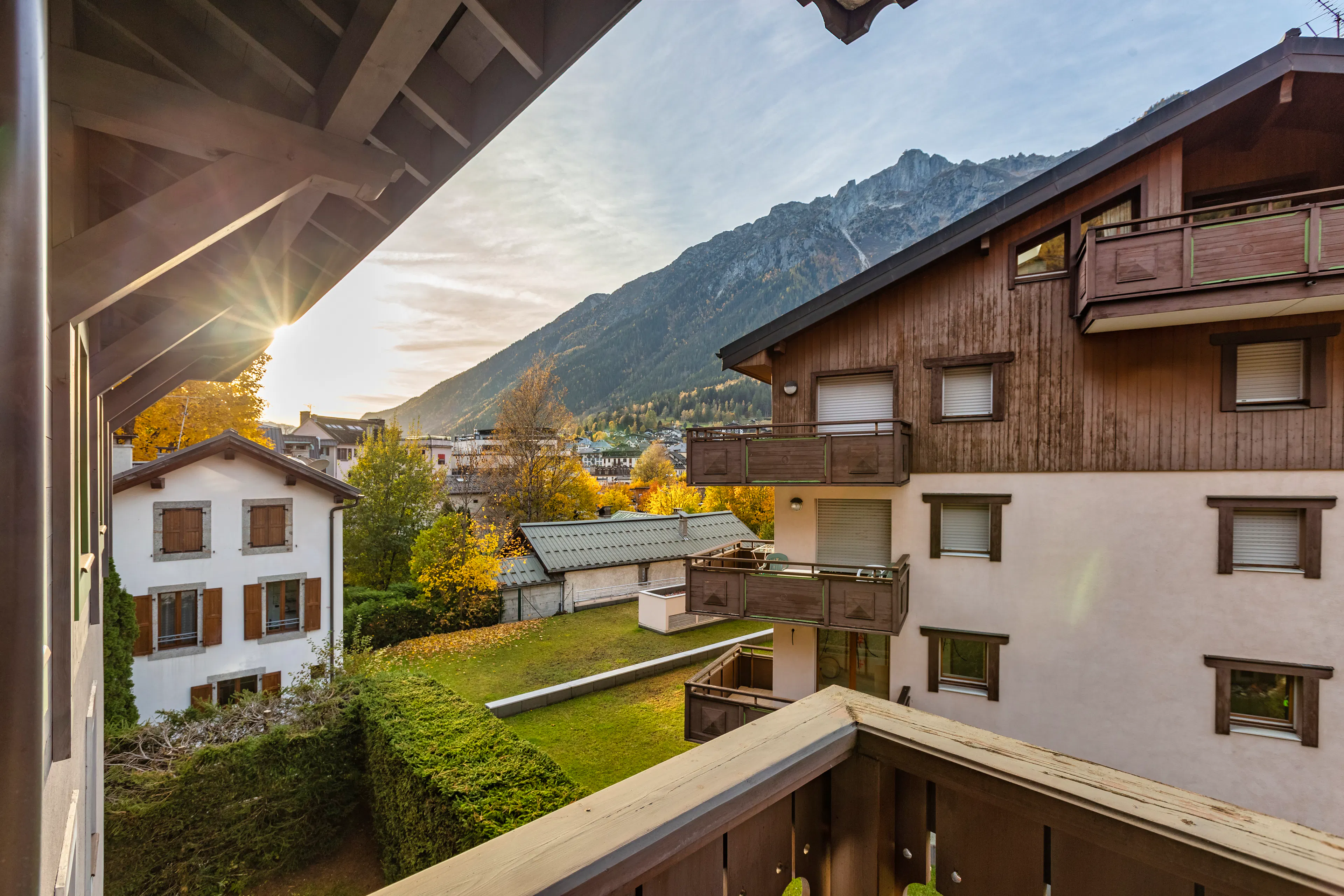
Investing in Chamonix for vacation rental: the short answer
Yes, buying in Chamonix to rent can pay off, provided you choose the right property, follow local regulations and keep your costs under control. Returns depend on purchase price, occupancy, nightly rates and your tax position. No single figure applies to every property, and you should be wary of anyone promising a guaranteed yield.
This article covers what to check before you buy: rental demand, the property market, short-term rental rules, tax, how to calculate your return, and the role of a management company.
Key takeaways
- Demand is strong in both winter and summer, which limits quiet periods.
- Short-term rentals are regulated in Chamonix: read our article on the Airbnb law and owners of several properties first.
- Your furnished-rental status (LMNP/LMP) and the choice between micro-BIC and the real regime change your net return significantly.
- Always calculate return on the total cost: price, notary fees, works and furnishing.
1. Rental demand all year round
Chamonix is known worldwide for skiing, with a winter season built around winter activities: pistes, ski touring, school holidays. But the valley does not stop in winter.
Summer brings hikers, mountaineers, trail runners and families, with a wide range of summer activities around Mont Blanc. Two strong seasons are better than one: a well-priced property can target two peak periods each year. For an overview of the area, see our Chamonix destination page.
2. A constrained property market
In the Chamonix valley, housing supply is limited by geography and by mountain planning rules. When demand (second homes, investors, seasonal workers) meets scarce supply, prices stay high. That supports the value of your property, but it weighs on rental yield.
Before buying, compare prices actually paid rather than asking prices. The French state publishes property transactions in the Demandes de valeurs foncières (DVF) dataset, free to consult. Also check the building's co-ownership rules, which can restrict short-term furnished rentals, as well as service charges and works voted or planned.
3. Short-term rental rules in Chamonix
This is what sets Chamonix apart from a standard rental investment. The commune limits short-term rental to one property per individual, and any short-term rental requires a declaration and prior authorization from the town hall. We explain the rules in how to manage several properties under the Airbnb law and in Is this the end of Airbnb in Chamonix?.
If you are considering several properties, holding them through a company (for example a French SCI) is one avenue to validate with a notary or lawyer, depending on your situation. If the property is your main residence, furnished short-term rental is limited to 120 days a year. Rules change regularly: check with the town hall before you sign.
4. Tax: LMNP, LMP and choosing a regime
Furnished rental falls under industrial and commercial profits (BIC). You are generally a non-professional furnished landlord (LMNP) if your annual rental receipts are below €23,000, or below your other income from work. Above that, professional status (LMP) may apply, with different consequences.
There are two tax options. The micro-BIC regime applies a flat allowance to your receipts: simple, but your actual costs are not deducted. The real regime lets you deduct costs and depreciate the property and furniture, which often lowers tax on rental income. Micro-BIC allowances and ceilings have changed and depend on the type of furnished rental, so check the official Service-Public page on furnished rental income (in French) and work with an accountant.
Don’t forget the starting formality: any furnished rental activity must be declared to the business formalities office to obtain a SIRET number.
5. How to calculate the return on a Chamonix property
Gross yield is misleading. To compare two properties, calculate a net yield on the total acquisition cost:
- Annual income = nights rented × average nightly rate (occupancy moves this figure a lot).
- Costs = management commission, cleaning and linen, co-ownership charges, property tax, insurance, energy, subscriptions, maintenance and repairs.
- Total cost = purchase price + notary fees + works + furnishing.
- Net yield before tax = (income − costs) ÷ total cost, then adjust for your tax regime.
A good pricing strategy changes the outcome: see how our dynamic pricing strategy works, and how income reporting lets you track real performance.
6. Should you hand management to a concierge company?
Renting out a property is a job in itself: multi-platform listings, pricing, guest welcome, cleaning, linen and amenities, emergencies. If you don’t live in the valley, delegating saves you chasing a 10 pm check-in or a last-minute clean.
A management company charges a commission: include it in your return calculation and compare that cost with the time saved and the extra revenue dynamic pricing can add. To choose well, read our guide to property management in Chamonix and the reasons to entrust your property to an agency. For an assessment of your property, see our property management service in Chamonix.
Conclusion
Chamonix offers strong rental demand across two seasons and a scarce property market, but returns are built, not given: the right property, regulations mastered, suitable tax treatment, costs calculated and professional management. Before investing, run a simulation on your specific property and validate legal and tax points with a notary and an accountant. To assess a property’s rental potential, contact our team.


