The steps of property management in Chamonix, from assessment to first booking
Putting a property on the short-term rental market in Chamonix always follows the same path: check what you are allowed to do, prepare the property, publish a high-performing listing, then manage stays. This guide details each step and says what falls to the owner or to the management company.
Step 1: check the regulations first
- Authorization and declaration: in Chamonix, short-term rental is limited to one property per individual and requires a declaration and prior authorization from the town hall. Depending on the commune, a registration number may also be required.
- Co-ownership rules: check they do not forbid short-term furnished rental.
- Tax status: furnished rental activity must be declared to obtain a SIRET number. See our article on investing in Chamonix.
- Insurance: tell your insurer; your policy must cover seasonal rental.
For the details of local rules, read How to manage several properties under the Airbnb law.
Step 2: assess the property’s potential
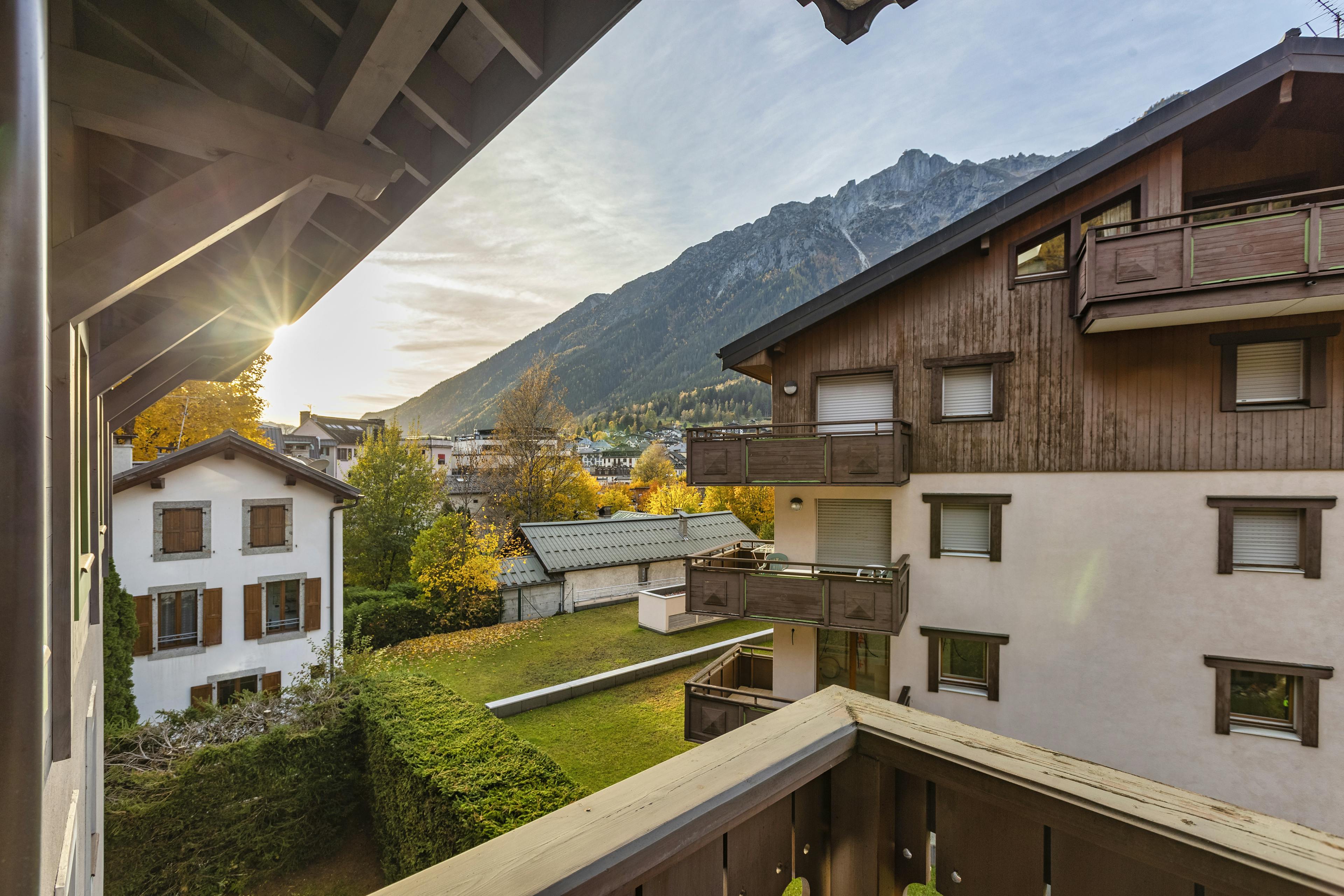
A serious assessment looks at location, capacity, comfort, equipment and seasonality. In our experience the most in-demand properties are family chalets with views, well-located town-centre apartments, and well-equipped studios for short stays.
Step 3: prepare and showcase the property
Quality linen, comfortable bedding, an equipped kitchen, storage for ski or hiking gear: guests compare dozens of listings. Professional photography and a precise listing text make the difference between a view and a booking.
Step 4: publish and set prices
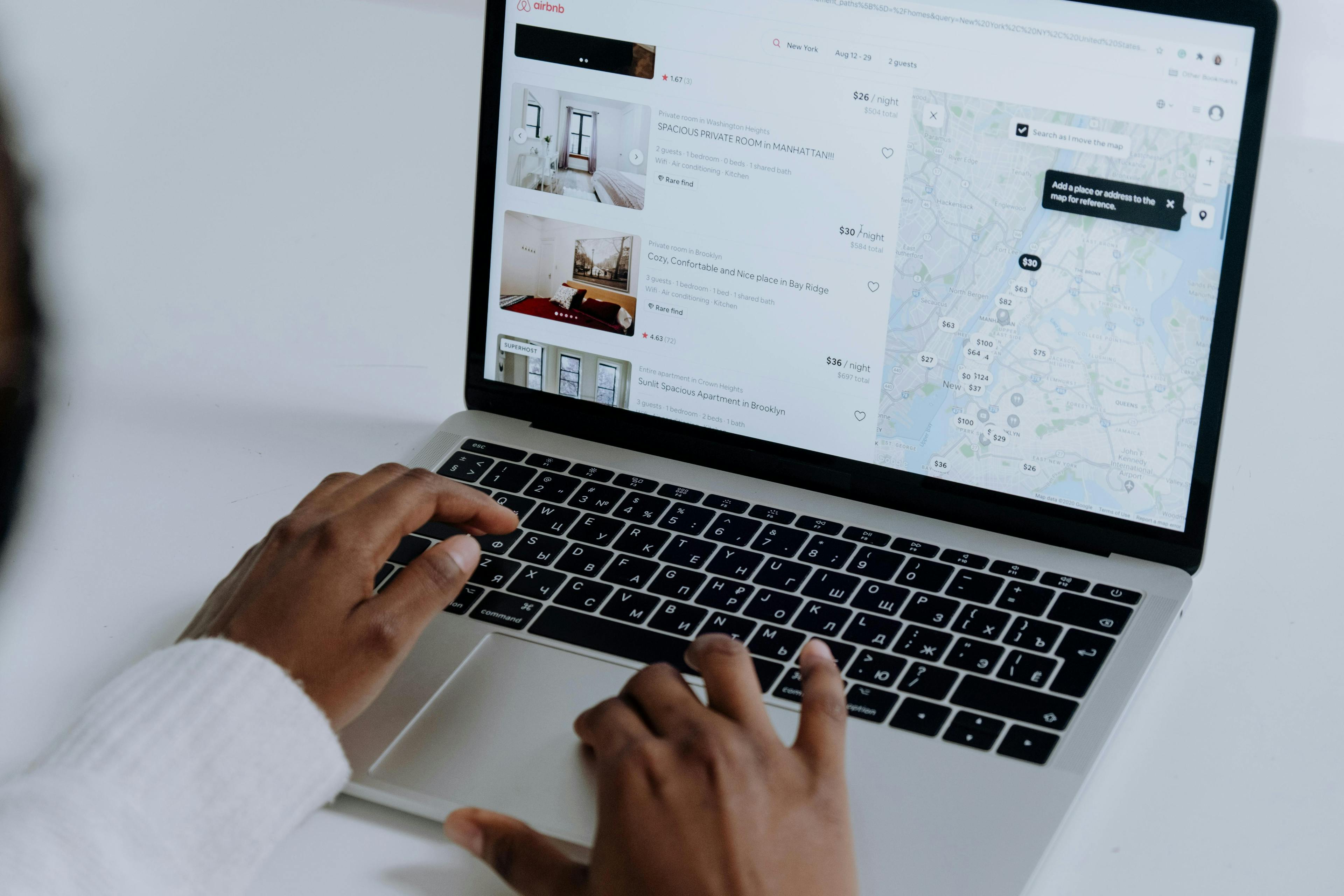
List your property on several channels (Airbnb, Booking, the agency’s booking site) with a synchronized calendar to avoid double bookings. Rates should follow the season, school holidays and events: that is the role of dynamic pricing and multi-platform management.
Step 5: manage the stays
- Answering enquiries and communicating before arrival.
- Welcome and key handover, or self check-in.
- Cleaning and linen between every stay.
- Emergency handling: heating, lock, leaks.
- Collecting and paying the tourist tax to the commune, often automated by the platforms.
Step 6: maintain, track and adjust
Regular upkeep protects the value of the property, with repairs and maintenance planned before each season. Track results with income reporting and adjust price, photos and equipment based on guest reviews.
Four tips for owners
- Favor quality over quantity: a well-kept property earns better reviews.
- Work with a local team that knows the valley and its regulations.
- Insist on a synchronized booking calendar.
- Compare offers using our 8 questions for choosing a management company.
Conclusion
Good property management combines compliance, preparation, visibility and responsiveness. At Cozee Rentals we support Chamonix owners at every step. Discover our property management service in Chamonix or our Chamonix destination page, and find valley information from the Chamonix Tourist Office.