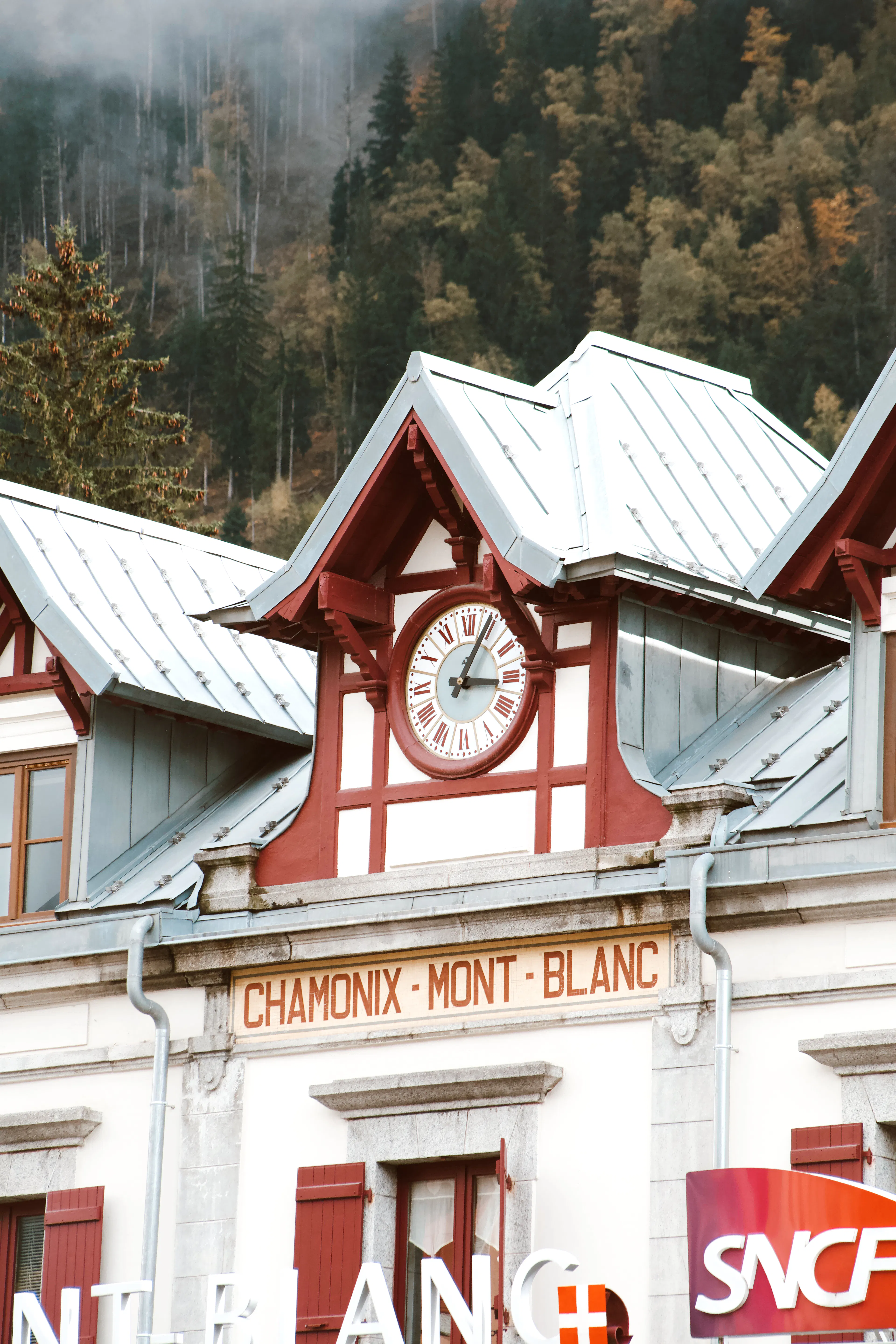
Short-term or long-term rental in Chamonix: it depends on your goal
In Chamonix, short-term rental can generate higher income, but it takes more management and is regulated. Long-term rental is steadier and simpler, but less flexible and often less profitable. Here is how to choose for your situation.
Key takeaways
- Short-term: variable but potentially higher income, personal use possible, intensive management and rules to follow.
- Long-term: regular income and light management, but the property is tied up and the yield is often lower.
- Middle ground: a one-year furnished lease, a mobility lease, or renting to seasonal workers.
Short-term rental: what it offers
Chamonix attracts visitors all year: skiers in winter, hikers and mountaineers in summer, an international clientele. By adjusting rates to season and demand (see our dynamic pricing strategy), you can earn more per night than a monthly rent would bring.
- Flexibility: you can block dates for your own stay or for works, which a long-term lease does not allow.
- Payment in advance: guests pay before arrival, which greatly reduces the risk of non-payment.
- Control of the property: regular turnovers help you spot maintenance issues quickly.
In return, short-term rental means keeping listings up to date, adjusting rates, welcoming guests, cleaning and laundering between stays, and handling emergencies. Income also varies by season.
Long-term rental: what it offers
- Regular income: a predictable monthly rent with no quiet periods.
- Light management: no guest turnover, little cleaning or welcome to organize.
- Stable legal framework: the lease clearly sets out rights and obligations.
The trade-offs: the property is occupied all year so you can no longer use it, and rent is often lower than short-term rental can achieve. The owner also remains exposed to unpaid rent and to the difficulty of getting the property back.
Intermediate options exist: a one-year furnished lease, a mobility lease (1 to 10 months), or renting to seasonal workers. They reduce vacancy while limiting occupant turnover.
The rules in Chamonix
Short-term rental is regulated in Chamonix: the valley limits authorisations to one property per owner in Chamonix and Les Houches and two in Servoz and Vallorcine (companies included since 1 May 2026), and requires registration and, for a secondary home, a change-of-use authorisation from the commune. If you own several properties, read our article on the Airbnb law and owners of several properties and the analysis Is this the end of Airbnb in Chamonix?. Also check your building’s co-ownership rules, which may prohibit short-term rental.
How to choose
- Choose short-term if you want to enjoy the property, maximize income, and your home is well located for visitors, with management delegated or handled by you.
- Choose long-term if you want simplicity and stability, or if your co-ownership or situation rules out short-term rental.
- Always compare on net yield, after costs, tax and management commission. Our article on investing in Chamonix explains the calculation.
If you choose short-term rental without managing it yourself, a concierge company handles listings, bookings, cleaning and maintenance. See our property management service in Chamonix and our guide to choosing a management company.
Sources
Rules checked in October 2026 against the official documents below. Texts can be amended, so confirm on the valley portal before you act.
- Vallée de Chamonix-Mont-Blanc rental portal: registration and change-of-use procedure
- Deliberation no. 2025.00104 of 25 September 2025: amendment of the four regulations (companies from 1 May 2026, co-ownership and DPE conditions, seasonal-worker experiment)
- Regulations 2026: Chamonix-Mont-Blanc, Les Houches, Servoz, Vallorcine
- Service-Public: furnished tourist rentals (change of use, registration, fines)
- Entreprises.gouv.fr: furnished tourist rentals (main-residence 120-day rule, platforms)
- L’Info durable, 29 July 2024: report on the council vote of 25 July 2024


